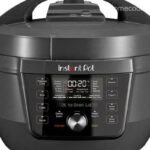
In this article, we will delve into important tips and techniques for maintaining your electric skillet to guarantee its longevity and optimal performance. From proper cleaning methods to effective storage practices, we will cover a variety of ideas and suggestions that will assist you in keeping your electric skillet in excellent condition for years ahead. Whether you’re a novice cook or a seasoned chef, these maintenance tips will not only enhance your cooking experience but also prolong the lifespan of your appliance.
Understanding Your Electric Skillet
An electric skillet is a versatile kitchen appliance that combines the functionality of a frying pan and a stovetop. It operates with the help of electrical heating elements, allowing for precise temperature control and even cooking. Ideal for a variety of cooking methods, including frying, sautéing, and simmering, electric skillets have become staples in many households. Familiarizing yourself with the different components of your electric skillet can enhance your cooking experience.
- Heating Element: This is the core component responsible for generating heat.
- Temperature Control: Many models feature adjustable dials to set the desired cooking temperature.
- Non-Stick Surface: Most electric skillets come with a non-stick coating to prevent food from sticking.
- Removable Base: Some skillets allow for easy cleaning with detachable bases.
Understanding these components will not only help you cook more effectively but also ensure that you take proper care of your appliance.
Essential Cleaning Tips
Keeping your electric skillet clean is vital for maintaining its performance and extending its lifespan. Here are essential cleaning tips to consider:
- Unplug and Cool Down: Always unplug the skillet and allow it to cool completely before cleaning.
- Wipe Down Surfaces: Use a damp cloth or sponge to wipe down the exterior and interior surfaces. Avoid abrasive cleaners that can damage the non-stick coating.
- Use Warm Soapy Water: Soak removable parts in warm, soapy water for a more thorough clean. Make sure to rinse and dry them completely before reassembling.
- Avoid Submerging: Never submerge the base of the skillet in water, especially if it has electrical components.
By following these cleaning tips, you can maintain a hygienic cooking environment while protecting your skillet from wear and tear.
Proper Storage Methods
Storing your electric skillet properly can prevent damage and prolong its life. Here are some best practices:
- Cool and Dry Location: Store your skillet in a cool, dry place to prevent moisture buildup.
- Use a Protective Cover: If possible, use a cover to protect it from dirt and dust.
- Keep Cord Wrapped: Wrap the power cord neatly to prevent tangling or damage.
- Stack Carefully: If stacking with other pans, ensure that the non-stick surface is protected to avoid scratches.
Proper storage methods will keep your electric skillet in optimal condition for your next culinary adventure.
Regular Maintenance Practices
In addition to cleaning and storage, regular maintenance practices can help ensure your electric skillet operates efficiently:
- Check Electrical Components: Periodically inspect the power cord and plug for any signs of wear or damage.
- Inspect Non-Stick Coating: Look for scratches or peeling in the non-stick surface and replace the skillet if necessary.
- Calibrate Temperature Settings: Test the temperature settings occasionally to ensure they are functioning correctly.
- Keep it Dry: Always ensure that the skillet is completely dry before storing to prevent rust or corrosion.
Implementing these maintenance practices will help you get the most out of your electric skillet while keeping it in good working condition.
Troubleshooting Common Issues
Even the best electric skillets may encounter problems from time to time. Here are some common issues and how to troubleshoot them:
- Uneven Heating: If some areas of the skillet are not heating properly, check for debris on the heating element or ensure that the skillet is level on the counter.
- Power Issues: If the skillet won’t turn on, verify that it’s plugged in and check the circuit breaker.
- Food Sticking: If food is sticking, it may be time to replace the non-stick surface or not enough oil was used during cooking.
- Burnt Smell: A burnt smell can indicate leftover food debris; clean the skillet thoroughly after each use.
Addressing these issues promptly can keep your electric skillet functioning safely and prevent further complications.
When to Seek Professional Help
While many minor issues can be resolved independently, there are times when seeking professional help is necessary:
- Electrical Malfunctions: If you notice any frayed cords or unusual sounds during operation, it’s best to consult a professional.
- Persistent Temperature Problems: If the temperature control fails to regulate heat even after calibration, consider professional repair or replacement.
- Severe Damage: If the non-stick coating is significantly damaged or peeling, it’s advisable to replace the skillet.
Knowing when to seek help can prevent more extensive damage and ensure your electric skillet remains safe to use.
Maximizing Cooking Efficiency
To get the most out of your electric skillet, consider the following tips to maximize cooking efficiency:
- Preheat Before Cooking: Allow the skillet to preheat for better cooking results.
- Use the Right Utensils: Opt for wooden or silicone utensils to avoid scratching the non-stick surface.
- Batch Cooking: Prepare larger meals in one go, reducing overall cooking time and energy usage.
- Experiment with Different Recipes: Electric skillets can handle a variety of dishes; don’t hesitate to try new recipes!
With these tips, you can enhance your efficiency in the kitchen and make the most of your electric skillet.
For more information on electric skillets and cooking tips, feel free to browse our product section on our website. Happy cooking!