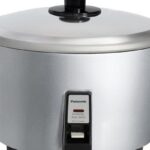
In this article, we will explore practical tips and strategies for selecting the right appliances for your small kitchen. With space often at a premium, finding the perfect blend of functionality and style is essential. We’ll cover key considerations to keep in mind, such as size, energy efficiency, and multi-functionality, as well as offer suggestions to maximize your kitchen’s potential without sacrificing quality or aesthetics. Whether you’re renovating or simply updating your kitchen, these ideas will help you make informed choices that suit your needs.
Appliance Size Considerations
When outfitting a small kitchen, one of the foremost considerations is the size of the appliances. A well-planned kitchen maximizes functionality while ensuring that every inch of space is utilized effectively.
Assessing Available Space
Begin by evaluating the available space in your kitchen. Consider not only the floor area but also the height and depth limitations. Take a close look at the layout of your kitchen and identify where appliances will be installed. Are there any obstructions, such as cabinets or windows, that might limit your options? Creating a detailed floor plan can help visualize how various appliances will fit within your space.
Measuring Appliance Dimensions
Once you have assessed the available space, it’s time to measure the dimensions of potential appliances. Here are some tips to ensure accurate measurements:
- Width: Measure the width of the space where the appliance will go to ensure a snug fit.
- Height: Consider the clearance above the appliance, especially for taller models like refrigerators.
- Depth: Ensure that the appliance will not protrude into walkways or impede movement.
Taking these dimensions into account will significantly enhance your appliance selection process.
Energy Efficiency Ratings
Energy efficiency is not just a buzzword; it is a crucial factor that can lead to long-term savings and reduced environmental impact.
Understanding Energy Labels
Appliances come with energy labels that provide insight into their energy consumption. Familiarizing yourself with these labels can help you make informed decisions. Look for the Energy Star certification, which indicates that the appliance meets energy efficiency guidelines set by the U.S. Environmental Protection Agency.
Choosing Eco-Friendly Options
In addition to Energy Star ratings, consider appliances made from sustainable materials or those that use eco-friendly technology. Investing in energy-efficient appliances can lead to lower utility bills and a reduced carbon footprint, making them a wise choice for environmentally conscious consumers.
Multi-functional Appliances
Multi-functional appliances can be a game-changer in a small kitchen, providing versatility without taking up extra space.
Benefits of Versatility
By opting for appliances that serve multiple purposes, you can streamline your kitchen setup. For example, an oven that also functions as a microwave or a washer-dryer combo can save space and reduce clutter. This versatility allows you to maximize the utility of each appliance while minimizing the number of items in your kitchen.
Popular Multi-use Models
Some popular multi-functional appliances include:
- Instant Pot: A pressure cooker, slow cooker, rice cooker, steamer, and more—all in one device.
- Blender-Food Processor Combo: Perfect for smoothies, soups, and food prep.
- Convection Microwave Ovens: Combines microwave and convection cooking for faster meals.
These models not only save space but also enhance meal preparation efficiency.
Style and Design Compatibility
Choosing appliances that match your kitchen’s aesthetics can have a significant impact on the overall look and feel of the space.
Matching Kitchen Aesthetics
Consider the existing style of your kitchen. Whether it’s modern, rustic, or traditional, select appliances that complement the design scheme. Stainless steel models are versatile and can fit into various styles, while colored appliances can add a pop of personality.
Color and Finish Choices
In addition to style, pay attention to color and finish options. Matte finishes can lend a contemporary touch, while glossy finishes may offer a more classic look. Be sure to choose finishes that are easy to clean and maintain, particularly in a busy kitchen environment.
Budgeting for Appliances
Establishing a budget is essential in the appliance selection process to avoid overspending.
Setting a Realistic Budget
Begin by determining how much you can afford to spend on new appliances. Consider the essential appliances you need versus those you would like to have. Factor in not only the purchase price but also installation and maintenance costs. It’s wise to set aside a contingency fund for unexpected expenses.
Exploring Financing Options
If your budget is tight, don’t hesitate to explore financing options. Many retailers offer installment plans or credit options that can make the purchase of higher-end appliances more manageable. Just be sure to read the terms carefully to avoid hidden fees or high-interest rates.
Brand Reliability and Reviews
Choosing a reliable brand can save you time, money, and frustration in the long run.
Researching Consumer Feedback
Before making a purchase, research consumer feedback on various brands and models. Online reviews and ratings can provide insights into the performance, durability, and reliability of appliances. Pay attention to both positive and negative feedback to get a balanced view.
Considering Warranties and Service
In addition to brand reputation, consider the warranty and service options available. A good warranty can provide peace of mind and protect your investment. Look for brands that offer extended warranties or service packages, as they can save you money on repairs in the long run.
Installation and Maintenance
Proper installation and regular maintenance are crucial to keep your appliances running efficiently.
Planning for Professional Installation
Some appliances may require professional installation to ensure they are set up correctly. This is particularly true for complex units like dishwashers and gas ranges. Budget for installation costs and inquire if the retailer offers installation services.
Regular Maintenance Tips
To prolong the lifespan of your appliances, establish a maintenance routine. Here are some tips:
- Clean filters and coils regularly to improve efficiency.
- Check seals and gaskets for wear and replace them as needed.
- Follow the manufacturer’s guidelines for cleaning and maintenance.
By staying on top of maintenance, you can avoid costly repairs and keep your appliances in good working condition.
For more information and ideas on kitchen appliances, feel free to explore our product section by browsing our website.