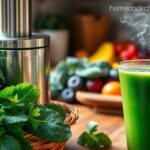
In this article, we will delve into the essential features and qualities to consider when choosing a high-quality juicer. Whether you’re a health enthusiast eager to add more fresh juices to your diet or simply in search of a dependable kitchen appliance, knowing what to look for can greatly enhance your juicing experience. We will offer valuable insights on different types of juicers, key performance metrics, and practical suggestions to assist you in making an informed choice that aligns with your lifestyle and needs.
Juicer Types Explained
When it comes to purchasing a juicer, understanding the different types available can significantly impact your juicing experience. Here are the primary categories:
- Centrifugal Juicers: These are the most common and often the most affordable. They work by spinning at high speeds to extract juice from fruits and vegetables. While they are quick and easy to use, they may not preserve nutrients as effectively as other types.
- Masticating Juicers: Also known as slow juicers, these operate at a slower speed and crush the fruits and vegetables, which helps retain more nutrients. They are ideal for leafy greens and wheatgrass.
- Triturating Juicers: These are often considered the top-of-the-line option. They use two gears to process produce slowly, which maximizes juice yield and nutrient retention. However, they tend to be more expensive and take longer to clean.
- Citrus Juicers: Designed specifically for citrus fruits like oranges, lemons, and limes, these juicers can be manual or electric and are great for making fresh juice quickly.
Key Features to Consider
When selecting a juicer, it’s essential to consider certain features that will enhance your juicing experience. Here are some key aspects to look out for:
- Juice Yield: Look for a juicer that maximizes juice extraction, as this will not only save you money but also minimize waste.
- Nutrient Retention: A good juicer should preserve the vitamins and minerals in your produce. Masticating and triturating juicers typically excel in this area.
- Feed Chute Size: A larger feed chute allows you to juice whole fruits and vegetables, reducing prep time.
- Speed Settings: Some juicers offer multiple speed settings, which can be useful for juicing different types of produce.
Materials and Durability
The materials used in juicer construction can greatly affect durability and performance. Here are some common materials and their benefits:
- Plastic: While lightweight and affordable, plastic can wear down faster and may not be as durable as metal components.
- Stainless Steel: Known for its durability, stainless steel is resistant to rust and corrosion, making it a popular choice for high-quality juicers.
- BPA-Free Materials: Ensuring that the juicer is made from BPA-free plastics is crucial for health-conscious consumers.
Ease of Cleaning
Cleaning your juicer can often be a discouraging task, but it doesn’t have to be. Here are some features that enhance ease of cleaning:
- Dishwasher Safe Parts: Many modern juicers come with removable components that are dishwasher safe, making cleanup a breeze.
- Smooth Surfaces: Juicers with fewer crevices and smooth surfaces are easier to clean by hand.
- Self-Cleaning Options: Some advanced models offer a self-cleaning feature, which can save you time and effort.
Noise Levels
Noise can be a significant factor when choosing a juicer, particularly for those who prefer a quieter kitchen experience. Here’s what to consider:
- Centrifugal Juicers: These tend to be noisier due to their high-speed operation.
- Masticating Juicers: Generally quieter, these juicers operate at slower speeds and produce less noise during use.
- Sound Dampening Features: Some manufacturers design juicers with sound-dampening technology to minimize noise.
Price vs. Quality
When investing in a juicer, it’s essential to strike a balance between price and quality. Here are some considerations:
- Budget Options: Affordable juicers may be tempting, but they often compromise on quality and durability.
- Mid-Range Choices: These juicers typically offer a good balance of quality features and performance without breaking the bank.
- High-End Models: Premium juicers usually come with advanced features, better materials, and a longer lifespan, making them a worthy investment for serious juicers.
Customer Reviews and Ratings
Before making a purchase, it’s wise to check customer reviews and ratings. Here are some ways to evaluate this information:
- Look for Consistency: Pay attention to consistent themes in reviews, whether they praise or criticize specific features.
- Consider the Source: Check reviews from reputable websites or independent consumer reports for unbiased information.
- Social Proof: High ratings and positive feedback can indicate a reliable product, but beware of overly enthusiastic reviews that may not be genuine.
Brand Reputation
Finally, consider the brand’s reputation when selecting a juicer. A reputable brand often reflects quality and customer satisfaction. Here are some tips:
- Research Brand History: Established brands with a long history in kitchen appliances are generally more reliable.
- Warranty and Support: Brands that offer solid warranties and customer support can provide peace of mind in your purchase.
- Community Feedback: Engage with online communities or social media groups focused on juicing to gather opinions about various brands.
In conclusion, choosing the right juicer involves understanding the different types available, considering key features, materials, ease of cleaning, noise levels, and assessing both price and brand reputation. For additional insights and product comparisons, feel free to browse our product section on our website!