In this article, we will delve into the essential features that make a compact oven not only functional but also convenient for any kitchen space. Whether you’re aiming to save counter space or seeking versatile cooking options, we’ll discuss various elements such as size, cooking modes, energy efficiency, and user-friendly controls. Additionally, we’ll offer valuable suggestions on what to consider when choosing the perfect compact oven to meet your culinary needs.
Key Compact Oven Features
When selecting a compact oven, there are several key features to consider that can significantly impact your cooking experience. Here are the most essential features:
- Size and Design: Compact ovens come in various sizes and designs. Choose one that fits your kitchen space while still providing enough cooking capacity for your needs.
- Heating Elements: Look for ovens with multiple heating elements, including convection options. These enhance cooking efficiency and provide more even heat distribution.
- Temperature Range: A wide temperature range allows for more cooking versatility, accommodating everything from slow-roasting to high-temperature baking.
- Timer and Programmable Settings: Features like timers and programmable settings can simplify meal prep, letting you focus on other tasks while your food cooks.
Size and Capacity Considerations
The size and capacity of a compact oven are crucial factors that can determine how well it fits into your kitchen and meets your cooking needs. To help you select the right size, consider the following:
- Available Space: Measure the area where you plan to place the oven, taking into account clearance for proper ventilation.
- Cooking Capacity: Think about the quantity of food you typically prepare. A compact oven with a capacity of 0.5 to 1.5 cubic feet is generally suitable for most households.
- Rack Configuration: Some compact ovens come with adjustable racks, allowing you to customize the cooking space based on your recipes.
Energy Efficiency Ratings
Energy efficiency is an important consideration when purchasing a compact oven. Energy-efficient models not only help reduce your environmental impact but can also save you money on energy bills. Look for the following:
- Energy Star Ratings: Ovens that have earned the Energy Star label meet strict energy efficiency guidelines set by the U.S. Environmental Protection Agency.
- Insulation Quality: Good insulation helps maintain consistent temperatures and reduces energy consumption during cooking.
- Power Consumption: Check the wattage – lower wattage can lead to less energy use, but make sure it doesn’t compromise cooking performance.
Cooking Methods and Versatility
Compact ovens are known for their versatility in cooking methods. Understanding the different cooking options can help you maximize the use of your appliance:
- Bake: Ideal for pastries, bread, and casseroles, ensuring even cooking through controlled heat.
- Broil: Perfect for quick cooking or browning the top of dishes.
- Toast: Suitable for bread, bagels, and other quick snacks.
- Convection Cooking: Circulates hot air for faster and more even cooking, making it a great choice for larger meals.
Ease of Use and Controls
User-friendly controls can enhance your experience with a compact oven. Look for features that simplify operation:
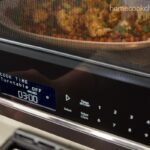
- Digital Controls: Many modern ovens come equipped with digital displays and touch controls, making it easier to set cooking times and temperatures accurately.
- Manual Override: For those who prefer a hands-on approach, having manual knobs for temperature and time can be beneficial.
- Pre-set Cooking Functions: Some models include one-touch buttons for popular cooking functions, allowing for quick and efficient meal preparation.
Cleaning and Maintenance Tips
Keeping your compact oven clean and well-maintained is essential for its longevity and performance. Here are some tips:
- Regular Cleaning: Wipe down the interior and exterior surfaces regularly to prevent grease buildup.
- Self-Cleaning Options: If available, utilize self-cleaning features to make the process easier.
- Removable Parts: Choose models with removable trays and racks for easier cleaning.
- Check Seals and Gaskets: Inspect door seals and gaskets periodically to ensure they are intact, preventing heat loss.
Price vs. Performance Analysis
When evaluating compact ovens, it’s crucial to balance price with performance. Here are some considerations:
- Budget: Determine your budget before shopping. Compact ovens typically range from $50 to $300, depending on features and brand.
- Performance Features: Higher-priced models often come with advanced features like convection cooking, better insulation, and longer warranties.
- Consumer Reviews: Reading reviews can provide insights into how well a product performs relative to its cost.
Top Compact Oven Recommendations
While there are many options available, here are a few compact ovens that consistently receive positive feedback and offer a range of features:
- Oster Toaster Oven: Known for its versatility and user-friendly controls, this model offers baking, broiling, and toasting options with great energy efficiency.
- Black+Decker Convection Oven: This oven features a convection setting for faster cooking times and has a spacious interior with multiple rack positions.
- Hamilton Beach Countertop Oven: Compact yet efficient, this oven is perfect for small kitchens, with a variety of cooking modes and easy-to-use settings.
As you consider purchasing a compact oven, keep these features and recommendations in mind to ensure you find the best fit for your cooking needs. Don’t forget to check out our product section on the website for more information and guidance in selecting the right oven for your kitchen!