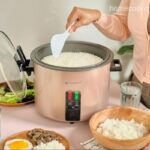
In this article, we will delve into the cooking efficiency of electric woks in comparison to traditional woks. We will analyze different aspects, such as heat distribution, cooking times, and the convenience offered by each type of wok. Furthermore, we will offer recommendations for selecting the best wok tailored to your culinary requirements and provide tips on how to enhance your cooking experience, whether you choose electric or traditional methods.
Speed Comparison: Electric vs. Traditional
When it comes to cooking, speed is often a crucial factor. Electric woks and traditional woks each have their own strengths in this area.
- Electric Woks: Generally, electric woks heat up quickly due to their built-in heating elements. Most models can reach high temperatures within minutes, making them ideal for stir-frying and other quick-cooking methods.
- Traditional Woks: On the other hand, traditional woks can take a bit longer to heat up. They rely on the heat from a stovetop, which can vary in intensity depending on the burner and type of stove. However, once heated, a traditional wok can maintain high temperatures effectively.
In summary, electric woks have an edge in initial heating speed, while traditional woks excel in heat retention during cooking.
Heating Mechanisms Explained
Understanding how each type of wok generates heat can help you make an informed choice.
- Electric Woks: These woks feature a built-in heating element that provides consistent and even heat distribution. This design allows for precise temperature control, which is beneficial for achieving the desired cooking results.
- Traditional Woks: They are typically made of materials like carbon steel or cast iron, which are excellent at conducting heat. The heat is applied from the stovetop, and the effectiveness depends largely on the heat source and the type of cookware used.
Both types of woks have their advantages in terms of heating, but electric woks offer more convenience with their controlled heating mechanisms.
Cooking Time Efficiency
When it comes to cooking time, both electric and traditional woks can deliver delicious meals, but their efficiency varies.
1. Electric Woks: – Quick to preheat. – Consistent heat allows for faster cooking times. – Ideal for single-dish meals, reducing the need for multiple pots and pans.
2. Traditional Woks: – Can take longer to heat but can cook larger quantities at once. – High temperatures are great for techniques like searing and stir-frying. – Requires a bit more attention to maintain heat levels.
In general, electric woks may provide a slight advantage in cooking efficiency for smaller meals or quick recipes, while traditional woks shine in larger cooking scenarios.
Energy Consumption Insights
Energy efficiency is a significant consideration for many home cooks.
– Electric Woks: Typically consume more energy than traditional woks due to their heating elements. However, their quick cooking times can offset some of the energy costs, making them reasonably efficient for short cooking sessions.
– Traditional Woks: Generally use less energy because they rely on the stovetop. If you have a gas stove, you may find that traditional woks are more energy-efficient, especially when cooking larger meals that require extended cooking times.
Ultimately, your cooking habits will determine which option is more energy-efficient for your needs.
Flavor and Texture Differences
The way food tastes and its texture can be influenced by the type of wok you use.
- Electric Woks: While they can achieve high temperatures, some users report that the flavor and texture of stir-fried dishes may not match those cooked in a traditional wok. This is often due to the lack of «wok hei», the charred flavor that comes from cooking at high temperatures over an open flame.
- Traditional Woks: Known for their ability to create that coveted wok hei, traditional woks allow for better caramelization and stir-frying, leading to enhanced flavors and textures in your dishes. The direct contact with flames can also impart a smoky flavor that electric woks may struggle to replicate.
If flavor and texture are your top priorities, a traditional wok may be the better choice.
User Experience and Convenience
Consider how each type of wok fits into your cooking routine.
- Electric Woks:
- Easy to use with simple temperature controls.
- Often equipped with non-stick surfaces, making cleanup easier.
- Portable, allowing for cooking in different locations, like outdoors or at potlucks.
- Traditional Woks:
- Require familiarity with stovetop cooking techniques.
- Can be heavier and harder to maneuver, especially when filled with food.
- Typically require more maintenance, such as seasoning and proper cleaning to prevent rust.
For convenience, electric woks often take the lead, but traditional woks offer a more authentic cooking experience for those willing to invest time in mastering their use.
Price Considerations
Cost is always a factor when purchasing kitchen equipment.
– Electric Woks: Prices can range from $30 to over $150, depending on the brand, features, and size. While you may pay more upfront for the convenience and quick cooking capabilities, it’s essential to consider the long-term energy costs as well.
– Traditional Woks: Generally more affordable, with prices starting around $20 and going up to $100 for high-quality materials. They require an initial investment in a good heat source (like a gas stove), but the long-lasting nature of the materials can make them a worthwhile investment.
When comparing prices, consider not just the purchase price but also the overall value and utility each type of wok offers.
Conclusion: Which is Better?
Choosing between an electric wok and a traditional wok ultimately depends on your cooking style, preferences, and needs.
– Electric Woks are ideal for those looking for convenience, quick cooking times, and ease of use. They are perfect for busy individuals or families who need to prepare meals efficiently.
– Traditional Woks cater to enthusiasts who appreciate the art of cooking and flavor development. If you enjoy experimenting with high-heat cooking techniques and want to achieve authentic flavors, a traditional wok is likely the better choice.
Make sure to explore our product section for more information on various woks available on the market to find the best fit for your kitchen needs. Happy cooking!